
SEPT 21 - 24, 2025

2025 ISSX International Meeting

  • days
  • Hours
  • Minutes
  • Seconds

BioIVT at the 14th ISSX International Meeting

SOT-HDR_Test-System-Preparation

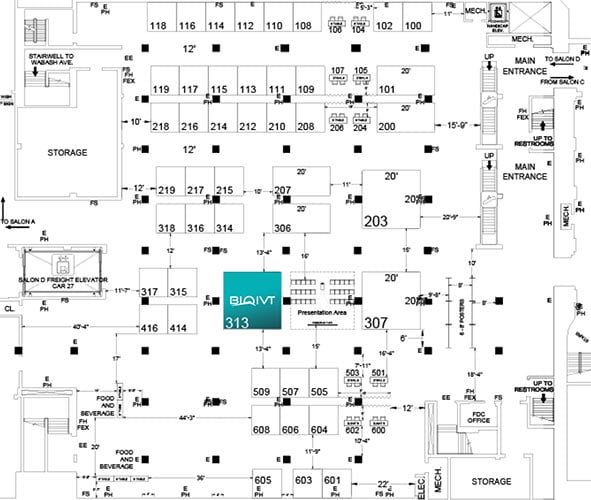
Numerous BioIVT experts, leaders and team members will be available at 2025 ISSX International Meeting booth #313 in Chicago.

We are excited to have the opportunity to discuss how we can help accelerate your research. We specialize in ADME research products and services, control and disease state samples, cell and gene therapy starting materials, and more:

ADMET Products:
  • Hepatocytes
  • NPCs
  • Subcellular Fractions
  • Recombinant Enzymes
  • Exosomes
ADME Research Services:
  • Consulting
  • Metabolism
  • DDI
  • Drug Transporters
  • Bioanalysis
Personalized Medicine:
  • Human & Animal Matrices
  • Clinical Human Tissue, Biofluids & Cells
  • Leukopaks & Isolated Immune Cells
  • Human AB Serum

Scientific Contributions

Context of Use: When Considering Fit-for-Purpose Alone Isn’t Sufficient

Thought Leadership Presentation
Presenter:
Kent Grindstaff, PhD, Consulting Director, BioIVT
Location: Exhibit Hall

Abstract: "Fit-for-purpose" and "context of use" as they pertain to drug development are highlighted in recent announcements from regulatory and government agencies on the reduction of animals use in preclinical testing. Selecting models that faithfully replicate human pharmacology is essential to identifying lead candidates with properties that will translate to human efficacy and safety. But regulatory acceptance of assay formats, hinges on a clear definition of their context of use and validation of model performance and relevance. The FDA and other regulatory agencies emphasize that validation is not a one-size-fits-all exercise, but rather a fit-for-purpose evaluation tied directly to the decision the assay is intended to inform. This talk will provide an overview for application in discovery and preclinical development and address the recent focus on new approach methodologies (NAMs) to replace, reduce, and refine animal use in legacy formats.

Learning Objectives:

  1. Review essential role of “fit-for-purpose” in discovery and preclinical model selection.
  2. Discuss regulatory perspectives on context-driven validation of assay performance and relevance.

Improving Translational Drug Discovery: Human Multi-MPS Platform for Mechanistic ADMET Studies

Room: Continental South
Presenter:
Murat Cirit, PhD, CEO, Javelin Biotech

Abstract:  The recent FDA announcement 3.0 underscores the emerging role of New Alternative Methods (NAMs) in drug discovery & development. This presentation will focus on the human Microphysiological Systems (MPS) platform for mechanistic ADMET (Absorption, Distribution, Metabolism, Excretion, and Toxicity) applications. We will provide a brief overview of evolving MPS technologies, emphasizing the development and utility of high-fidelity MPS models specifically designed for gaining deep mechanistic insights into pharmacokinetics and safety. Examples will demonstrate diverse ADMET applications utilizing both single-organ and multi-organ MPS platforms of various modalities, including nucleotide-based therapeutics and small molecules. Furthermore, we will illustrate the seamless integration of mechanistic data derived from these MPS models with physiologically-based pharmacokinetic (PBPK) and quantitative systems pharmacology (QSP) algorithms. This combinatorial in vitro and in silico NAM approach enables robust in vitro-in vivo extrapolation (IVIVE), representing a powerful paradigm shift for predictive drug development and regulatory science.

Comparative Analysis of Primary Human Hepatocyte Spheroids in Standard and Microcavity Plates for ADME-TOX Assays

Poster P83
Karissa Cottier
, Devika Bhalerao, Christian Smith, Nia Dawson, Logan Clemow, Seema Muranjan, Scott Heyward

Abstract:  Liver Microphysiological Systems (MPS) containing primary human hepatocytes (PHH) have been developed to better replicate the physiological environment of the liver. These models offer a promising tool for drug development; however, widespread adoption of these models is often hindered by challenges related to cost, throughput, and operational complexity.
Among available 3D liver models, hepatic spheroids are particularly attractive due to their ease of use, scalability, and cost-effectiveness for ADME-tox applications. Here, we use three lots of primary human hepatocytes to assess drug induced liver injury (DILI) of known hepatotoxic drugs or clearance of low turnover compounds in hepatic spheroids plated in standard or microcavity (Elplasia) ultra-low binding plates.

Effect of buffer strength on CYP metabolism in XTreme 200 pooled HLM: Implications for high throughput metabolic stability analysis by SCIEX Echo MS+ system with ZenoTOF 7600 system

Poster P103
Lois J Haupt
, Leah Logan, Cody Hendren, Seema Muranjan, Rahul Baghla, Anuja Bhalkikar

Abstract:  Understanding the clearance and metabolic stability of drug candidates is important to drug discovery and drug development processes. In vitro metabolic stability assays are an important tool for this understanding, but it is important to ensure that clearance measured in vitro is as close as possible to clearance occurring in vivo. The ionic strength of incubation buffers can impact the metabolism of CYP substrates for in vitro assays; however, it can also impact the analysis of the samples by LC-MS/MS because buffers with higher ionic strengths can cause ion suppression and decrease instrument sensitivity. In this study, CYP substrates were incubated with NADPH-fortified human liver microsomes in buffer mixtures containing 20, 50 or 100 mM potassium phosphate. The goal was to determine the optimal potassium phosphate content for samples analyzed using the SCIEX 7500+ system and Echo® MS+ system with ZenoTOF 7600 system while still maintaining CYP activity. Half-life and clearance values were measured and compared across incubation conditions. 

Using Multi-Transporter Models to Examine Drug Passage Through the Blood-Brain Barrier

Poster P195
Alexis T.P. Ngo, Acilegna G. Rodriguez, Jian-Lu Chen, Zachariah J. Builta, Xuexiang Zhang, and Mark S. Warren

Abstract:  The central nervous system (CNS) presents numerous targets for pharmaceutical development. Dysfunction within CNS pathways can result in a variety of neurological disorders, including Alzheimer’s disease and Parkinson’s disease, in addition to psychiatric disorders such as depression, schizophrenia, and bipolar disorders. Developing treatments not only requires designing molecules that will be effective mechanistically but also finding a way for those molecules to cross the blood-brain barrier (BBB), making the brain one of the most inaccessible organs for therapeutic treatments.

In addition to physical barriers at the BBB, a variety of efflux transporters such as BCRP (ABCG2) and P-gp (ABCB1) work synergistically to limit drug uptake. However, numerous uptake transporters are also present at the BBB, including OATP1A2 (SLCO1A2), presenting a way to potentially deliver therapeutics across the BBB despite the presence of the efflux transporters.

In order to examine the potential that OATP1A2 uptake would be able to overcome efflux by BCRP and P-gp, we used OPTI-EXPRESSIONTM technology to create MDCK-II cells expressing OATP1A2, BCRP, and P-gp individually and in multi-transporter models. An advantage of this assay system is that it allows investigation of both uptake into polarized MDCK-II cells from the apical side (where OATP1A2, BCRP, and P-gp are all expressed) as well as apical to basolateral (A->B) transcellular transport through the cell monolayer. We used these systems to test a variety of drugs known to be substrates of the P-gp efflux transporter.

Use of siRNA to Minimize Off-Target Effects for Reaction Phenotyping of Low Turnover Compounds in a Long Term Micropatterned Co-Culture Model-HEPATOPAC

Poster P160
Karissa Cottier, Devika Bhalerao, Jeannemarie Gaffney, John Griffith, Candice Lewis, Seema Muranjan, Logan Clemow, Scott Heyward

Abstract: Understanding enzyme kinetics for low turnover compounds is a key challenge in Drug-Drug Interaction (DDI) studies, highlighting the need for a long-term culture model to accurately monitor the contribution of the CYP450 involved in metabolism. The use of the long term micropatterned hepatocyte co-culture, HEPATOPAC, has been reported to successfully assess metabolism of low turnover compounds. Additionally, fraction metabolized for New Chemical Entities (NCE) has been calculated using chemical inhibitors for use in HEPATOPAC, however, a major drawback for the chemical inhibition method has been the specificity of inhibitors to target CYP450 isoforms.

In this work we developed a new streamlined method utilizing siRNA against a full panel of FDA recommended CYP450 isoforms namely CYP3A4, CYP2D6, CYP1A2, CYP2B6, CYP2C8, CYP2C9 and CYP2C19 to reduce the expression of these genes and proteins for over two weeks. We used commercially available siRNAs to knock down genes of the targets and monitored effects on non-targeted CYP450s over the course of the experiment. In addition, we compared the ability of siRNA knockdown and chemical inhibitors to accurately determine the fraction metabolized (Fm) for low-turnover compounds primarily metabolized by CYP3A (disopyramide) and CYP2D6 (risperidone).

Where Can You Find Us?

ISSX-2025-Floorplan

2025 ISSX Booth

Stop by booth #313 to learn more about how we support a wide array of research and therapeutic development programs, including:
  • Comprehensive portfolio of ADME-Tox research products and services
  • Normal human and animal biospecimens
  • Diverse disease state tissue and fluids
  • Cell and gene therapy starting materials and related products

Click the button below and complete the form for a team member to contact you and schedule a meeting at the event.

In The News
BioIVT Hosts Webinar Series on HEPATOPAC: Novel Applications Supporting New Approach Methodologies (NAMs)

HEPATOPAC® is an established New Approach Methodology (NAM) that has been included in the new 3Rs Collaborative (3RsC) between regulators, technology providers, end-users, and non-profits to advance the use of Microphysiological Systems (MPS) in regulatory applications. Offered as a research service or kit, HEPATOPAC is a long-term hepatic micropatterned co-culture (MPCC) that has been shown to provide superior data compared to conventional in vitro models, especially for low turnover compounds. With regulatory agencies and industry innovators pushing to accelerate the use of validated NAMs, this webinar series will evaluate the use of HEPATOPAC for a variety of applications.

BioIVT to Host Symposium in San Diego on Oct. 22
Elevating Drug Development with NAMs: Meeting the FDA's Call for Change

BioIVT will host a panel of industry experts at The Alexandria at Torrey Pines in San Diego for a series of presentations and discussions around the development, validation, and utilization of NAMs for a variety of ADME-Tox applications, including:

  • Considerations from the Pharmaceutical Industry (IQ MPS Affiliate) Workshop on Animal Microphysiological Systems and 3Rs, presented by Rhiannon Hardwick, PhD, BMS
  • Elucidating Complex Drug-Drug Interaction Mechanisms of Chronic Rifampicin Exposure in Liver Tissue Chip, presented by Shiny Rajan, PhD, Javelin Biotech
  • And more!

Resources

admetoxservices

Discover how BioIVT can provide the answers to all your liver-related research questions. 

Download Brochure
SOT Event Page Images

Watch this video to learn why BioIVT is your trusted partner for drug discovery and ADME-Tox in vitro models. 

Watch Now
ADME Products Reference Guide

Download our guide comparing in vitro ADME test systems with ratings for different studies, helpful resources, and more.