
HEPATOPAC: Novel Applications
Supporting New Approach Methodologies (NAMs)

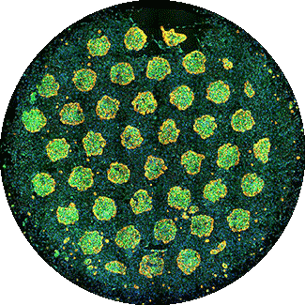
HEPATOPAC long-term hepatic co-cultureOffered as a research service or kit, HEPATOPAC® is a long-term hepatic micropatterned co-culture (MPCC) that has been shown to provide superior data, especially for low turnover compounds, compared to conventional in vitro models. HEPATOPAC has been widely used in metabolism and toxicity studies and is now being adopted for other ADME applications.

The goal of providing more accurate preclinical data is the primary driving force behind the NAMs initiative that is a current focal point of regulatory agencies and industry organizations. HEPATOPAC falls under the NAMs category of Microphysiological Systems (MPS). As an established MPS, HEPATOPAC has been included in the new 3Rs Collaborative (3RsC) between regulators, technology providers, end-users, and non-profits to advance the use of MPS in regulatory applications.

With the NIH’s recent announcement that they will no longer issue Notices of Funding Opportunities exclusively supporting animal models combined with the potential benefits in the regulatory review process mentioned in the announcements for the FDA’s Roadmap to Reducing Animal Testing in Preclinical Safety Studies, the push to utilize validated NAMs is increasing in momentum. This webinar series will evaluate the use of HEPATOPAC for a variety of applications.

Presentation Lineup:

HEPATOPAC: A Long-Term Hepatocyte Co-culture Model for ADME-Tox Applications

Presented by: Dipen Vyas, PhD, Study Director, BioIVT

Conventional in vitro hepatocyte culture models can fail to predict the ADME-Tox properties of compounds with low metabolic turnover due to short-term viability and functionality. Micropatterned HEPATOPAC co-cultures are designed to provide long-term viability and functionality providing researchers a platform to evaluate the ADME-Tox properties of low turnover compounds for improved IVIVC.

Dr. Vyas will outline various study designs evaluated in HEPATOPAC model for ADME-Tox applications.


REGISTER NOW

Advancing DILI Assessment Using Micropatterned Co-Culture Models: HEPATOPAC® and HEPATOMUNE®

Presented by: Sara Geriesh, PhD Student, University of Maryland

Drug-induced liver injury (DILI) is a major contributor to clinical trial failures and post-marketing drug withdrawals. Conventional preclinical models often fail to predict hepatotoxicity due to species-specific differences and limited physiological relevance. Human-relevant in vitro platforms, such as HEPATOPAC® and HEPATOMUNE®, offer improved functionality by maintaining long-term hepatocyte activity and incorporating non-parenchymal cells.

This presentation highlights a study comparing the hepatotoxic effects of trovafloxacin, a DILI-associated antibiotic, with its non-toxic analog, moxifloxacin. Functional toxicity assays were performed across HEPATOPAC®-based models, with ongoing transcriptomic analysis aimed at uncovering early molecular responses. These models support a more physiologically relevant approach for evaluating DILI risk during drug development.

REGISTER NOW

siRNA Delivery Innovations in HEPATOPAC for Long-term Gene Silencing

Presented by: Scott Heyward, Scientific Operations Strategy Director, BioIVT

Oligonucleotides, such as siRNA, are broadly useful as research tools and constitute a growing class of therapeutic modalities for cell and gene therapies. However, optimization of their use in complex in vitro models is needed to leverage their research utility and facilitate therapeutic lead testing.

Scott Heyward will describe studies refining the treatment of siRNA in HEPATOPAC®. Knockdown and functional endpoints of ADME genes, as well as fatty liver disease-associated genes, were assessed to demonstrate the utility of HEPATOPAC for generating siRNA mediated isogenic pairs for both ADME and target screening applications.

REGISTER NOW

Accelerating Drug Discovery for MASLD Using High Content Imaging in HEPATOPAC

Presented by: Karissa Cottier, PhD, Manager of R&D, BioIVT

Metabolic dysfunction-associated fatty liver disease (MAFLD) is a prevalent and serious health condition, driving the urgent need for new therapeutic strategies. Advanced in vitro models, such as HEPATOPAC®, are being used to study the mechanisms of MAFLD and support drug discovery. By exposing these cultures to free fatty acids and high glucose/fructose, researchers can replicate key features of liver steatosis and analyze changes in lipid accumulation and gene expression.

Dr. Cottier will discuss a number of studies utilizing HEPATOPAC® cultures to model aspects of fatty liver disease to enable the evaluation of potential therapeutic targets, including small molecules and siRNA-based approaches, to modulate disease progression. These studies will highlight the use of high content imaging (HCI) as a method for automating and increasing throughput for these analyses.

REGISTER NOW

Overcoming Barriers in Drug Metabolism with HEPATOPAC: Reaction Phenotyping Methods for Low Turnover Compounds

Presented by: Jeannemarie Gaffney, Sr. Manager of Manufacturing and Process Development, BioIVT

Low metabolic turnover can make evaluating drug interactions challenging, including quantitating relative contribution of CYP isoforms involved in drug metabolism and hepatic clearance. Conventional 2D cell cultures simply cannot provide sufficient long-term viability and functionality for in vitro evaluation.

In this webinar, we will discuss an inhibition method for reaction phenotyping by applying siRNA gene knockdown to inhibit enzyme activity for over two weeks in HEPATOPAC®, including a comparison of siRNA knockdown vs. chemical inhibitors to accurately determine the fraction metabolized for specific isoforms as well as comparing off-target effects.

REGISTER NOW

Resources

admetoxproducts-1

BioIVT has been the leading provider of ADME products for more than 25 years. In that time, we have isolated hepatocytes from several thousand human livers and continue to add several hundred new lots each year. 

admetoxservices-1

BioIVT provides ADME / DMPK services including consulting on ADME strategies, design and implementation of in vitro and in vivo studies, bioanalysis, analysis of study data, and report development.

adme-consulting

Learn more about ADME Consulting Services at BioIVT. Our experts help researchers optimize in vitro research programs and ensure data packages are ready for regulatory submissions.

SELECT WEBINARS & REGISTER: