Meet the Speakers

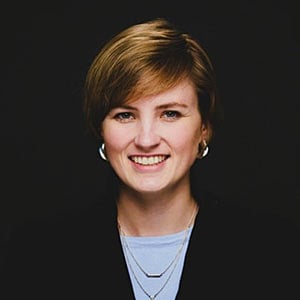
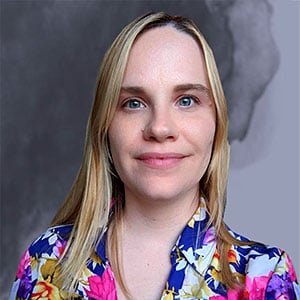
Alice Stanton

Alice Stanton, PhD, Assistant Professor at Harvard Medical School and Massachusetts General Brigham's Center for Genomic Medicine

Dr. Alice Stanton is an engineer and neuroscientist working at the interface of neurotechnology and biological discovery. She aims to invent technologies to accelerate therapeutic development, advance precision medicine approaches, and pioneer new strategies to improve drug delivery. She is an Assistant Professor at Harvard Medical School and Massachusetts General Brigham's Center for Genomic Medicine and Department of Neurology. Alice received her B.S.E. from Princeton University in Chemical Engineering and Engineering Biology, Ph.D. from Stanford University in Bioengineering, and postdoctoral training at MIT in the laboratories of Dr. Robert Langer and Dr. Li-Huei Tsai. She has been recognized for her work with numerous awards, including with a Rising Star award in Engineering in Health by Johns Hopkins and Columbia University, Rising Star designation in Chemical Engineering by MIT, and Danica Stanimirovic Memorial Award by the International Brain Barriers Society. She was the recipient of the NIA Research and Entrepreneurial Development Immersion Fellowship Award, NIA Ruth L. Kirschstein NRSA Postdoctoral Fellowship, Kavanaugh Fellowship, and Convergence Scholars Program Fellowship.

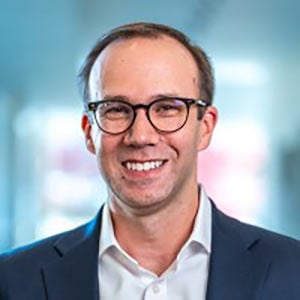
PJ Devine

Patrick J “PJ” Devine, PhD, Scientific Director, Bristol Myers Squibb

PJ Devine is a Scientific Director in Discovery Toxicology in the department of Pharmaceutical Candidate Optimization at Bristol Myers Squibb. He got his Bachelors degree in Biology/Chemistry at the University of Delaware, then studied toxicology at the University of Maryland, Baltimore for a PhD involving early embryonic developmental toxicology. He then studied reproductive toxicology as a post-doctoral fellow at the University of Arizona and as a professor at the INRS (2003-2010, Laval, QC). Major projects included evaluating mechanism(s) of chemotherapy-dependent ovarian toxicity, fertility biomarkers, and effects of pollution on frog development.

PJ worked in Preclinical Safety at Novartis from 2010-2022, initially focusing on investigating endocrine and reproductive toxicity, and has expanded his focus over the years. He joined Discovery Toxicology at Bristol Myers Squibb in March of 2022. PJ helps drug discovery teams select the best drug candidates to move forward, driving the safety evaluations leading to first-in-human studies. Research has involved using both simple and complex in vitro models, as well in vivo models, derisking potential target liabilities and examining mechanisms of toxicity that have been seen in preclinical studies or the clinic. PJ is involved in cross-industry consortia involving evaluating complex in vitro models (IQ MPS) and safety aspects of targeted protein degraders (HESI TPD).

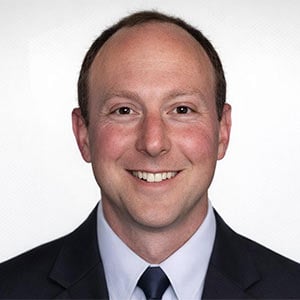
Ben Scruggs

Ben Scruggs, PhD, CEO, Altis Biosystems

Ben Scruggs is the Chief Executive Officer and Chairman of Altis Biosystems, where he leads the development and commercialization of RepliGut, a human stem cell–derived intestinal platform for drug metabolism, permeability, toxicity, and inflammatory disease research. Under his leadership, Altis has built a growing portfolio of NAMs adopted by pharma and biotech companies seeking human-relevant alternatives to legacy preclinical models. Ben also serves as a Partner at Hatteras Venture Partners, where he invests in biotechnology and life science tools companies. He participates in national working groups focused on accelerating the adoption of NAMs and reducing reliance on animal testing. Ben completed his postdoctoral training at the NIH/NIEHS Epigenetics and Stem Cell Biology Laboratory, earned his Ph.D. in Molecular Cell Biology from Washington University in St. Louis, and holds a B.E. in Biomedical Engineering from Vanderbilt University.

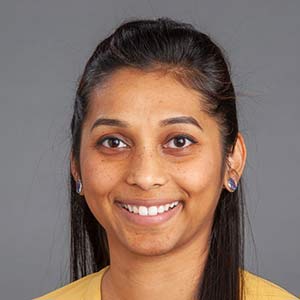
Dr. Shiny Rajan

Shiny Rajan, PhD, Senior Director, Javelin Biotech

Shiny Rajan serves as Senior Director of Platform Development at Javelin Biotech, where she leads the development of human-relevant tissue models that are reshaping how drugs are evaluated before reaching the clinic. With a background in biomedical engineering and dual training in science and business (Ph.D./MBA, Virginia Tech–Wake Forest University), she brings both technical expertise and strategic vision to her role. Her early work in engineering, a six-organ integrated human tissue platform set the stage for her current leadership in advancing multi-tissue chips for drug metabolism, pharmacokinetics, and disease applications. At Javelin, she combines innovation in tissue engineering with collaborative partnerships across academia and industry to deliver predictive models that bridge preclinical research and human health outcomes. 

Dr. Karissa Cottier

Karissa Cottier, PhD, Manager of R&D, BioIVT

Dr. Cottier earned her PhD in medical pharmacology at University of Arizona where she focused on drug delivery in migraine headache model. In her post-doctoral fellowship at Johns Hopkins University Karissa utilized molecular and histology-based assays in an in vitro model to study cerebral malaria. We at BioIVT were pleased that Karissa decided to join our team in our lab in Baltimore Maryland following her post-doc. She has contributed to numerous projects, and importantly led our program to develop high-purity Kupffer cells as well as investigate new applications for our HEPATOPAC and HEPATOMUNE cultures.

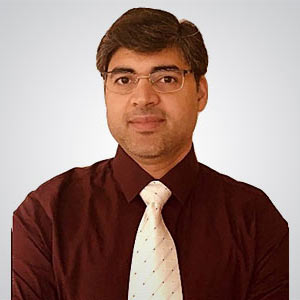
Bhagwat Prasad

Bhagwat Prasad, PhD, Professor & Division Director at Cincinnati Children’s Hospital Medical Center, Co-Founder & CSO at Precision Quantomics

Dr. Bhagwat Prasad is a Professor of Pediatrics and Division Director of Translational and Clinical Pharmacology at Cincinnati Children’s Hospital Medical Center, and the founder and CSO of Precision Quantomics, Inc. He leads federally and industry-funded research programs on interindividual variability and IVIVE of drug transport, metabolism, and response, and directs the PRINCE consortium focused on non-conserved enzymes in drug metabolism. Previously a tenured professor at Washington State University and faculty at the University of Washington, he has published over 150 peer-reviewed articles and delivered more than 125 invited talks. His accomplishments have earned major recognitions, leadership roles in ASPET and ISSX, multiple editorial appointments, and awards, and he completed his MS/PhD at NIPER, postdoctoral training at UW, and a Visiting Faculty Fellowship at the U.S. FDA.