MARCH 22 - 25, 2026

2026 Annual SOT Meeting and ToxExpo

BioIVT at the 65th Annual SOT Meeting and ToxExpo

SOT-HDR_Test-System-Preparation

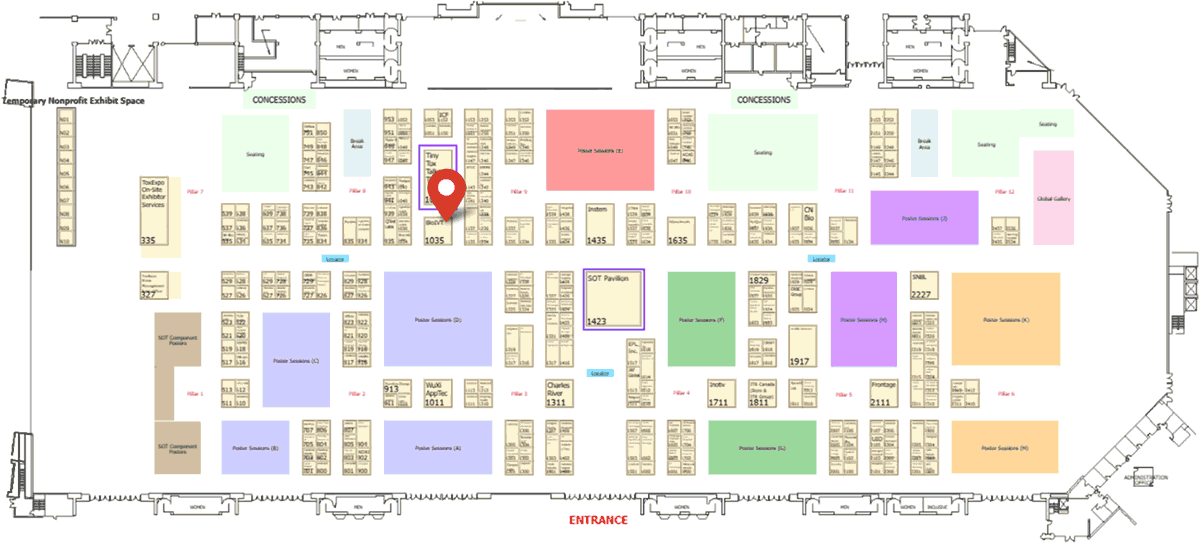
Numerous BioIVT experts, leaders and team members will be available at the 2026 Annual SOT Meeting & ToxExpo booth #1035 in San Diego.

We are excited to have the opportunity to discuss how we can help accelerate your research. We specialize in providing high quality ADME research products and services, control and disease state samples, cell and gene therapy starting materials, and more for traditional and new approach methodologies (NAMs):

ADMET Products:
  • Hepatocytes
  • NPCs
  • Subcellular Fractions
  • Recombinant Enzymes
  • Exosomes
ADME Research Services:
  • Consulting
  • Metabolism
  • DDI
  • Drug Transporters
  • Bioanalysis
Personalized Medicine:
  • Human & Animal Matrices
  • Clinical Human Tissue, Biofluids & Cells
  • Leukopaks & Isolated Immune Cells
  • Human AB Serum

Scientific Contributions

Baseline Characterization as a Key Foundation to Qualification of NAMs

Exhibitor-Hosted Session
Location:
Room 23C
Presenter:
Rhiannon N. Hardwick, PhD, DABT, Scientific Director, Bristol Myers Squibb

Abstract: The emergence of complex in vitro models (CIVM), including 3D multicellular tissues and microphysiological systems (MPS) offers new opportunities to better mimic human physiology and improve toxicity predictions in pharmaceutical research. Integrating CIVM into testing pipelines presents challenges, such as the need for specialized expertise, evolving protocols, and sensitive biomarker detection. Careful characterization of baseline function, clear definition of context of use (COU), and rigorous qualification are essential for reliable toxicological assessment.

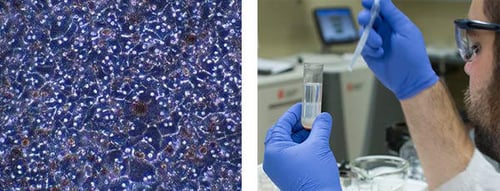
Integration of HLA-Typed PBMC into a Long-term, Functional Hepatocyte Co-culture, HEPATOPAC®, for Detection of Immune-Mediated Drug-Induced Liver Injury

Poster A128
Location:
Hall B
Presenter:
Karissa Cottier, PhD, Manager of R&D, BioIVT

Abstract: Preclinical prediction of idiosyncratic drug induced liver injury (iDILI) is important in drug development both to safeguard patients from serious adverse outcomes and to reduce late-stage candidate drug failure. Standard preclinical in vitro models fail to identify DILI potential for several reasons including lack of relevant immune cell types in the model and/or factors that are specific to particular patient populations. Retrospective studies have identified compound interaction with T-cells in patients with specific human leukocyte antigen (HLA) types as a contributing factor for iDILI in some compounds which showed liver toxicity in the clinic. Based on these observations, we developed a co-culture model which incorporates human PBMC into a long-term micropatterned hepatocyte co-culture model (HEPATOPAC) in order to better model peripheral immune system contribution to DILI development. In these studies, culture conditions were optimized to maintain both hepatocyte and PBMC viability and function for up to 7 days.

Novel Machine Learning Algorithms Allow Fast and Accurate Automated Counting of Primary Hepatocyte Samples

Poster A150
Location:
Hall B
Presenter:
Dan Schieffer, Scientific Director, DeNovix Inc.

Abstract: Primary hepatocytes are a critical cell type in toxicity and drug metabolism workflows. Given the sensitive nature of these experiments, accurate and precise hepatocyte counts are essential for achieving reproducible results for downstream applications. We have developed a machine learning-based model for counting hepatocytes and determining viability on an automated cell counter to 1) help standardize results across laboratories and 2) reduce user to user variability. This study aims to test if an automated machine learning model can provide the same level of counting accuracy for hepatocyte quantification against the established gold standard method of manual hemocytometer counts by trained scientists.

Trends in Intrinsic Clearance of Drugs in In Vitro Liver Test Systems: Insights from a CRO’s Microsome and Hepatocyte Data

Poster A117
Location:
Hall B
Presenter:
Tina Mueller, PhD, Scientific Advisor, ADMET Services, BioIVT

Abstract: Drug developers have long aimed to design molecules with low metabolic turnover. In vitro assays, such as metabolic stability studies, are commonly used as an initial approach to assess how rapidly compounds are metabolized and to estimate turnover rates to guide early drug development. We therefore used in vitro metabolism study data to examine whether there has been a shift over time toward drug candidates with lower turnover.

Where Can You Find Us?

2026 SOT ToxExpo Floor Plan

2026 ToxExpo Booth

Stop by booth #1035 to learn more about how we support a wide array of research and therapeutic development programs, including:

•    Comprehensive portfolio of ADME-Tox research products and services
•    Cell and gene therapy starting materials and related products
•    Diverse disease state tissue and fluids
•    Normal human and animal biospecimens

Click the button below and complete the form for a team member to contact you and schedule a meeting at the event.

In The News
April 14: BioIVT to Host Boston Symposium and Virtual Roundtable on NAMs

BioIVT will host a panel of industry experts at MassBio in Cambridge, MA for a series of presentations and discussions around the development, validation, and utilization of NAMs for a variety of applications. If you are unable to attend in person, we encourage you to register for the roundtable that will occur at the end of the event. Although the symposium will not be broadcast online, the roundtable discussion will.

Resources

admetoxservices

Discover how BioIVT can provide the answers to all your liver-related research questions. 

Download Brochure
SOT Event Page Images

Watch this video to learn why BioIVT is your trusted partner for drug discovery and ADME-Tox in vitro models. 

Watch Now
ADME Products Reference Guide

Download our guide comparing in vitro ADME test systems with ratings for different studies, helpful resources, and more.